New Voters, New Rules
Ellie Choi
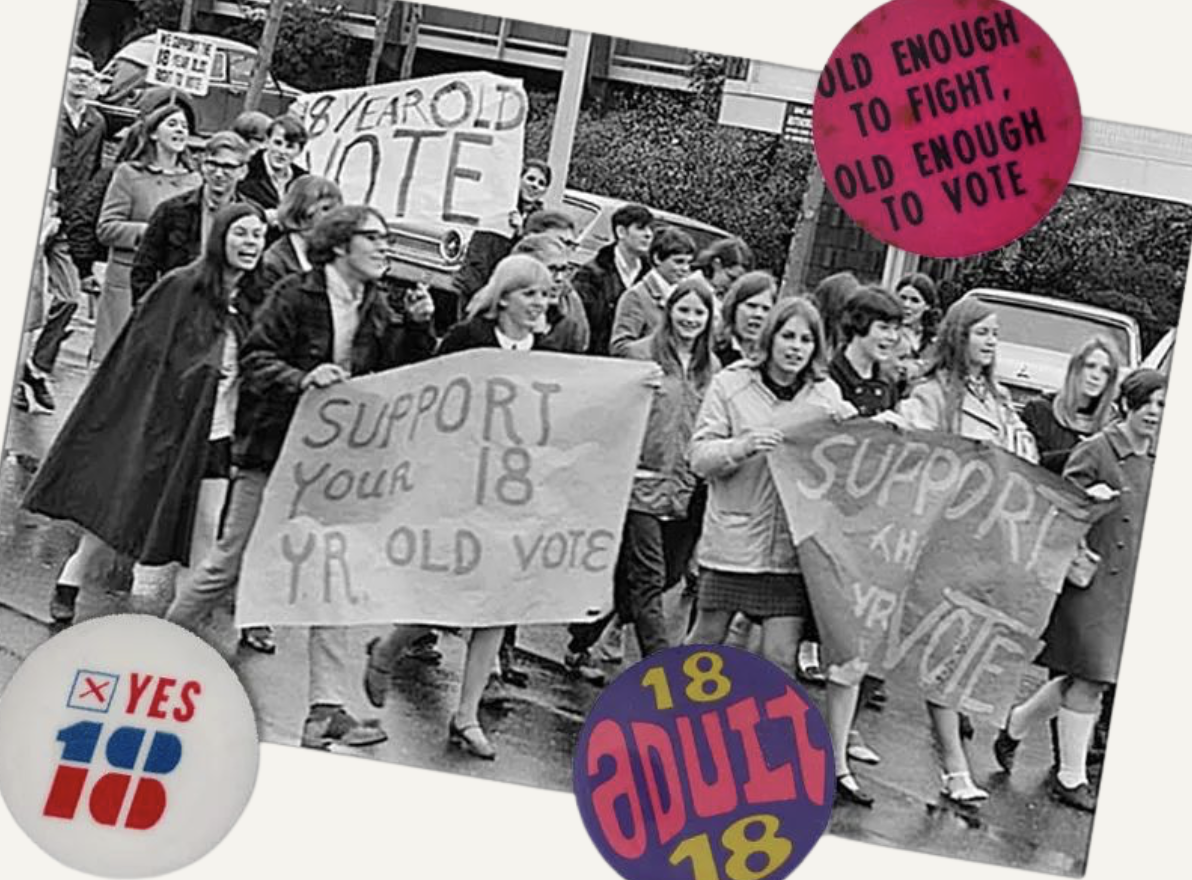
Photo Credits to Vicki L. Thorn/National Museum of American History
For thousands of California seniors, Nov. 3 will mark their first time casting a ballot in a general election.
According to data provided by Aimara Freeman, public information officer for the Orange County Registrar of Voters, 18,237 registered voters in Orange County are currently 18, and another 1,433 will turn 18 by Election Day.
AP Government teacher Carolina Osorio estimated that 20 to 25 percent of the seniors in her classes are registered. She said her students are generally “very tuned into politics, engaged and come in with a lot of prior knowledge.”
Some OCSA seniors are registered and eager to vote for the first time. “I’m excited to vote because I’m now old enough to contribute to issues affecting my community,” stated Addy Ngo (CW ‘27).
In addition to candidate races, California voters will decide on 14 state ballot measures this year. First-time voters will not only select candidates but also vote on Proposition 39, which would change how voters verify their identity when casting ballots.
Orange County citizens voting for the first time must register before casting a ballot. They can register either online or in person at the Registrar of Voters office. When registering, individuals must provide information including a driver’s license or state identification number, the last four digits of a Social Security number and date of birth. Under current California law, voters generally do not have to present identification at the polls. Instead, they verify their identity with a signature.
If Proposition 39 passes, additional identification requirements would apply when casting a ballot rather than only during registration. Those who vote in person would be required to present government-issued identification. Mail-in voters would have to provide the last four digits of their selected government-issued identification number on their ballot envelopes.
In the official voter guide’s arguments, supporters say the measure would increase public trust and confidence in elections. Opponents argue that voter impersonation is uncommon and that the additional requirement could prevent some eligible ballots from being counted; this could disproportionately impact individuals with disabilities, minority groups and people with low income.
Young voters already face challenges in successfully casting their first ballots. Freeman said first-time voters have the highest ballot rejection rate of any age group. “Common mistakes include submitting ballots too late or having signature issues.”
Osorio believes that a change in voter ID rules could cause confusion or unease. She expressed that encouraging young people to participate is important when trust in government is strained.
“Our institutions are being tested,” Osorio stated. “It would be nice to encourage greater engagement.”
“It’s interesting to be taking AP Gov during an election year because I’m learning about the process while participating for the first time,” Ngo said.