Art as Protest in America
Angie Kidder
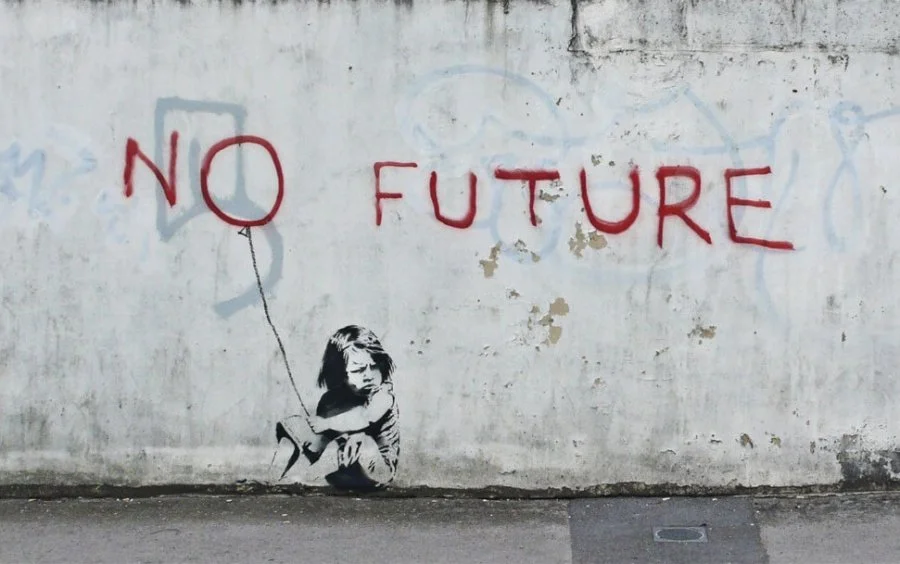
From the photography of the second wave of feminism in the 1970s to paintings spreading awareness about the AIDS crisis in the 1980s and 1990s, art as a form of protest has always been an integral part of American identity. Artists across the country have used mediums ranging from paint to performance to demand justice when words alone could not. Today, with major events like ICE raids and the erasing of thousands of government jobs under the Trump administration, a new generation of artists are turning their senses of creativity into confrontation.
One recent, notable example of protest against the Trump administration was the placement of a 12 foot, bronze statue of President Trump and Jefferey Epstein — a wealthy financier and convicted sex offender — holding hands with a plaque that said “Best Friends Forever.” on the National Mall in September This statue appeared after Trump’s failure to respond to the public about releasing the Epstein files, a promise that he made during his presidential campaign. Although the statue was shortly removed, it was later reinstalled in early October with a permit and a new plaque that said “Why Can’t we be Friends?”
This past June, the No Kings Movement took place — attracting artists nationwide to challenge what they saw as ‘authoritarian tendencies’ in the Trump administration. In New York City, a massive yellow banner reading “People Over Billionaires” was unfurled at a rally, symbolizing the frustration over growing wealth inequality. In Chicago, artists projected slogans such as “ICE is Domestic Terrorism” and “Trans Rights Are Human Rights” onto downtown skyscrapers. These messages transformed urban landscapes into megaphones of protest.
Because of its strong presence, protest art faces escalating challenges. Censorship, institutional resistance and fears of political backlash often limit where and how artists can share their work. Trump has also threatened student protesters and educational institutions, warning that schools which allow certain “illegal” protests could lose all federal funding, and that individuals — especially non-citizens — might face expulsion, imprisonment or even deportation.
Additionally, there is concern about ideological restrictions on public arts funding. New grants from the National Endowment for the Arts (NEA) and Humanities now require compliance with executive orders that limit programs related to diversity, equity and inclusion, or what the administration has called “gender ideology.” Many have argued these moves function like censorship by limiting funding, threatening legal or immigration consequences, and trying to redefine what forms of expression are “legal” or “acceptable”.
Although these acts of censorship have harmed the messages of many artists, many view the act of pushing back itself as a statement. Ultimately, protest art endures because it does more than criticize; it inspires. By occupying physical and digital space, it reminds Americans that democracy depends not only on voting but also on imagination, creativity, and the courage to speak out. In moments of protest, art becomes more than expression; it becomes evidence of the human spirit refusing silence. It challenges apathy, sparks conversation, and gives voice to those who have been ignored.