Do We Care about the Grammys?
Dax Philips
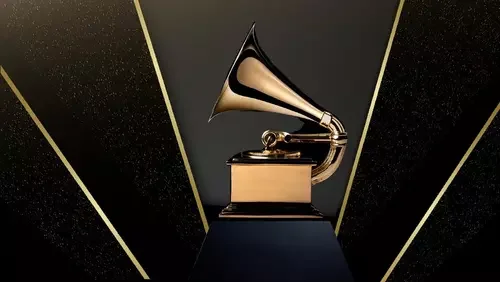
The Grammys has been a staple of American pop culture for generations, setting a standard for the success of our favorite artists and rewarding the artistry behind the works of art that transcend the average listening experience. However, what role should an award show have in contemporary society, and what agency should fans and artists alike have over ‘music’s biggest night of the year?’
The most overwhelming topic of conversation from the 67th Annual Grammy Awards was how popularity and streams should be taken into account for nominations and wins. So, it might be surprising to hear that the Academy’s original purpose for the awards was to recognize artists, composers and producers not ‘important’ enough for a star on the Hollywood Walk of Fame. However, during the gradual integration into award season, the purpose of the awards seemed to get lost in the publicity and the atmosphere around the event; social media discussions revolved around debating which ‘star’ deserved to take home the award. However, the Recording Academy’s 13,000 professional musicians who vote based on their own respective genres and abilities together in the ‘big four’ awards do not view the nominations in the same light as the average listener.
Dr. Krupesh Thacker, a proud Academy member, affirmed on Facebook after finishing the voting process, “I have focused on artistic and technical excellence, on intention over popularity, and on respect for the immense effort behind every recording.” This objectivity isn’t a constant in the community though; CEO Harvey Mason Jr. heavily criticized a fellow voter on their outspoken perennial bias against nominee Lana Del Rey for a contentious SNL performance 13 years earlier.
It is valid to criticize the Academy’s integrity, but it is just as valid to criticize the parasocial loyalty of ‘superfans’ hellbent on their idol taking home a Grammy. And Wzwwhile the awards do tend to reflect the views of the audience, they have struggled in the past to highlight not only more diverse genres of music, but also artists who represent anything other than a majority.
The Weeknd famously boycotted the 63th Annual Grammy Awards after not receiving any nominations for his most successful album, “After Hours,” or the most streamed song on Spotify to date “Blinding Lights.” He cited “corruption” from “secret committees”, who had the power to veto nominations from any artists, most notably from the Black community. The Weeknd presumed, “The only real [explanation] is that in the last 61 years of the Grammys, only 10 Black artists have won album of the year.” However, he critically ended the boycott with a surprise performance during the 2025 Grammys, and reasoned that the organization had made sufficient progress towards aiding racial minorities through staff diversification efforts and launching initiatives like the Black Music Collective rewarding scholarships to the next generations of promising Black artists.
Efforts to criticize the Recording Academy have incentivized long awaited changes for not only the awards but also to the music industry as a whole. But it is up to you to choose what to take away from the event whether it be a role model, a memorable night or even a much-needed constructive criticism.