The Situation in Venezuela
Audrey Smith and Asmi Aggarwal
In early January, the United States launched an extensive military operation against Venezuela, involving airstrikes and a rapid ground assault that resulted in the capture of President Nicolás Maduro. Titled Operation Absolute Resolve, the mission involved striking targets in and around Caracas by American forces before Maduro was arrested and transferred to U.S. custody in New York. There, he is facing criminal charges including narco-terrorism and drug trafficking allegations.
Following Maduro’s removal, Venezuela’s political leadership entered a significant period of uncertainty. Vice President Delcy Rodríguez was sworn in as interim president by Venezuela’s Supreme Court and has since sought to lead the country through its immediate constitutional and economic challenges. Rodríguez, who previously held roles overseeing Venezuela’s oil sector and economy, emphasized institutional continuity and the need for foreign investment to revive the country’s weakened oil industry.
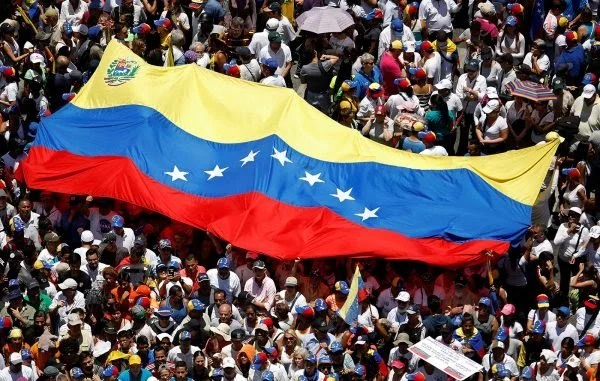
The Trump administration has also signaled intentions to rebuild Venezuela’s oil infrastructure in coordination with American companies, framing oil revenues as a tool for economic stabilization and a potential pathway towards easing sanctions. Officials have described this involvement as part of Venezuela’s recovery, though critics argue it reflects a deeper effort to place the country’s most valuable resources under U.S. influence. Venezuelan analysts opposed to the intervention contend that control over oil remains a central driver of Washington’s policy, raising broader concerns about sovereignty and long-term economic dependence.
This strategic emphasis on oil ties directly into the framework of the petrodollar, the currency system that supports global oil trade. Since these transactions depend on U.S. dollars, the system has significantly helped maintain their strength. However, some countries like China, Russia, Iran, North Korea and Venezuela have increasingly sought to trade outside the dollar system in order to avoid U.S. sanctions. Combined with inflation and other global pressures, this shift has contributed to depreciation of the dollar, with the U.S. Dollar Index down about 11 percent — its weakest level in four years.
In response to this shifting landscape, U.S. officials have described plans to control portions of Venezuelan oil production and exports, with crude oil sold at market rates as a way to limit adversaries’ influence and reshape the country’s energy sector. As part of this approach, Washington has pressed the interim government to scale back trade relations with China, Russia and other partners amid a broader geopolitical realignment.
President Trump has made it clear that inflation is at the forefront of his administration’s concerns — pursuing strategies such as tax cuts, heightened tariffs and expanded job opportunities to address it. Rising gas prices have especially remained a major frustration for American consumers, pushing the administration to emphasize energy policy. Within that broader context, Venezuela has become a particularly strategic target for the U.S. As a country that has moved away from the petrodollar system, it represents both an economic and geopolitical challenge.
The global reaction has been mixed, but predominantly critical. Key allies of Maduro, including China, Russia and Iran, openly condemned the U.S. operation as a threat to Venezuela’s sovereignty — with some calling it a dangerous precedent. Many Latin American governments echoed these concerns, arguing that the intervention undermined regional stability and multilateral norms. Several European countries urged restraint and respect for international law without fully endorsing the U.S. action. A smaller group of American allies, including Israel, Argentina and the United Kingdom, expressed conditional support for removing Maduro, framing it as a step toward political change. Overall, global reactions have leaned toward caution and legal concern, reflecting uncertainty about the implications of U.S. military involvement and the erosion of established norms.