Art as Protest in America
Angie Kidder
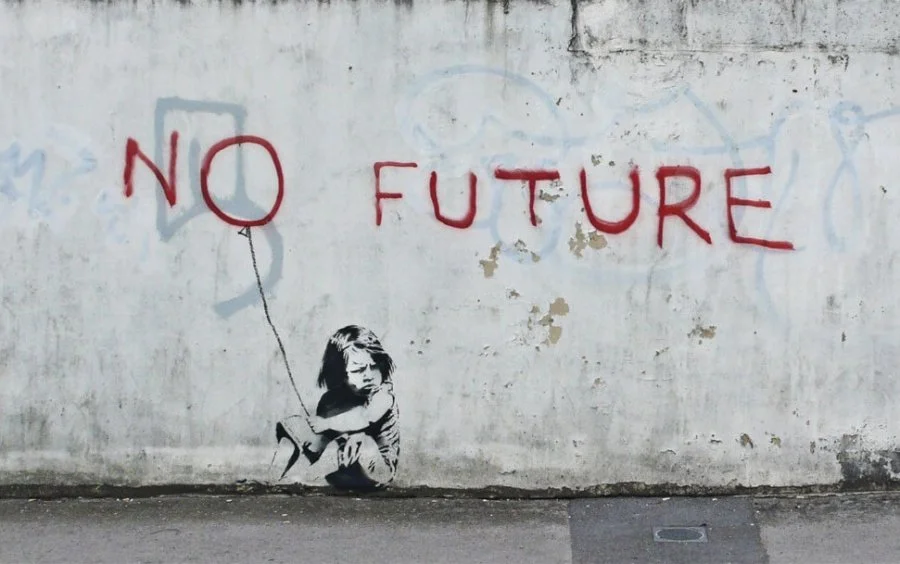
From the photography of the second wave of feminism in the 1970s to paintings spreading awareness about the AIDS crisis in the 1980s and 1990s, art as a form of protest has always been an integral part of American identity. Artists across the country have used mediums ranging from paint to performance to demand justice when words alone could not. Today, with major events like ICE raids and the erasing of thousands of government jobs under the Trump administration, a new generation of artists are turning their senses of creativity into confrontation.
One recent, notable example of protest against the Trump administration was the placement of a 12 foot, bronze statue of President Trump and Jefferey Epstein — a wealthy financier and convicted sex offender — holding hands with a plaque that said “Best Friends Forever.” on the National Mall in September This statue appeared after Trump’s failure to respond to the public about releasing the Epstein files, a promise that he made during his presidential campaign. Although the statue was shortly removed, it was later reinstalled in early October with a permit and a new plaque that said “Why Can’t we be Friends?”
This past June, the No Kings Movement took place — attracting artists nationwide to challenge what they saw as ‘authoritarian tendencies’ in the Trump administration. In New York City, a massive yellow banner reading “People Over Billionaires” was unfurled at a rally, symbolizing the frustration over growing wealth inequality. In Chicago, artists projected slogans such as “ICE is Domestic Terrorism” and “Trans Rights Are Human Rights” onto downtown skyscrapers. These messages transformed urban landscapes into megaphones of protest.
Because of its strong presence, protest art faces escalating challenges. Censorship, institutional resistance and fears of political backlash often limit where and how artists can share their work. Trump has also threatened student protesters and educational institutions, warning that schools which allow certain “illegal” protests could lose all federal funding, and that individuals — especially non-citizens — might face expulsion, imprisonment or even deportation.
Additionally, there is concern about ideological restrictions on public arts funding. New grants from the National Endowment for the Arts (NEA) and Humanities now require compliance with executive orders that limit programs related to diversity, equity and inclusion, or what the administration has called “gender ideology.” Many have argued these moves function like censorship by limiting funding, threatening legal or immigration consequences, and trying to redefine what forms of expression are “legal” or “acceptable”.
Although these acts of censorship have harmed the messages of many artists, many view the act of pushing back itself as a statement. Ultimately, protest art endures because it does more than criticize; it inspires. By occupying physical and digital space, it reminds Americans that democracy depends not only on voting but also on imagination, creativity, and the courage to speak out. In moments of protest, art becomes more than expression; it becomes evidence of the human spirit refusing silence. It challenges apathy, sparks conversation, and gives voice to those who have been ignored.
Pending OCSA AI Policies
Ellie Choi
It’s the night before your final paper is due. Staring at a blank page, you have no intro, no outline, no idea how to get started. You could stay up all night, typing feverishly until the sun rises. Or…you could open up ChatGPT. A carefully worded instruction and you’re one click away from a full-length, decently written paper. The hard part is no longer writing the essay; rather, it’s fighting the temptation not to use artificial intelligence.
When ChatGPT entered the scene in 2022, most teachers banned its use. Now, three years later, AI tools are inescapable, and the technology has evolved faster than school policies can keep up. OCSA’s 2025-2026 Student Parent Handbook specifically prohibits plagiarism through the “unauthorized use of artificial intelligence platforms,” which constitutes a violation of the academic honor code. The consequences can include loss of credit on assignments, suspension, or dismissal from leadership positions at OCSA.
Other than this reference to the “unauthorized" use of AI in the Handbook, OCSA has not published a separate AI policy that provides more nuanced guidance. Could there be circumstances where AI would be “authorized,” perhaps even appropriate? An outright ban on the use of AI in schools has become a lot more complicated to enforce as AI tools are everywhere, embedded in social media feeds, search engine results, Grammarly, Quizlet and Microsoft email and word processing applications.
Moreover, some students consider these AI tools to be highly educational and productivity enhancing. An anonymous OCSA 11th grader said, “Obviously it can help you cheat if it’s doing your assignments for you, but it can also help you in ways that I think are fine, like creating quizlets and helping to understand complicated concepts. It can actually be a really good study tool.”
Certain uses of AI, like writing papers or completing your math homework, are clearly inappropriate. “Using AI, especially in Creative Writing or Lit and Comp, can be unethical–its plagiarism. It’s academic dishonesty,” said OCSA Creative Writing Instructor Missie Riojas.
However, other uses of AI are in the gray area. Teachers are beginning to acknowledge AI as the way of the future and recognize the need to help students use AI in a responsible manner. Riojas said, “I know that those supportive services can be really crucial for some students…I need to help guide you guys to use the supportive technology to do what it's designed to do: support you.”
The world outside OCSA seems to be moving in the direction of greater acceptance of AI, as 72 percent of teens already admit to using AI, according to Common Sense Media. California has recently passed a number of new AI education laws, including AB 2876, which requires AI literacy to be incorporated into math, science and history curriculum, and SB 1288, which establishes a working group to develop guidance for schools on safe AI use
The relevant question is no longer whether schools should allow AI but rather, how can schools help students use AI effectively and responsibly.
Riojas said, “Use it critically and be wise about it. Embracing it is not only helpful to you guys but it's more realistic. If you are serious about your art, and you use AI as a supportive service, it will make you a better artist.”
Lets Talk About Booktok
Sara Bradecich
I have been an avid TikTok user since 2020, and for most of that time I’ve had a lot of book content on my “for you” page. I’ve loved reading longer than I’ve had social media, but with social media I have been able to find a place online where I feel happy because I am able to see relatable videos, get great book recommendations and engage with content about my favorite books. However, as with almost all online spaces, there can be a lot of toxicity, and in BookTok it has become a big issue.
A big problem with books now is that many authors are writing stories that use tropes and stereotypes that are popular only because the best way to get your book out to a big audience is to have it trending on social media. This causes a lack of diversity in new books. Authors are no longer focused on making interesting plots and intriguing literature, they are more focused on writing books that they think will have a plot trendy enough to catch the eye of BookTok. Then you go to read one of these books and you find that they are a blatant copy of another popular series with different character names and slightly different plot points.
Another huge problem within literature today is the romanticization of abusive and misogynistic male characters, and labeling it as a “dark romance.” There is a popular controversy surrounding the genre with Colleen Hoover's book “It Ends With Us,” which in 2024 was made into a movie. The story follows Lily Bloom who is in an abusive relationship, and while she does not end up staying in the relationship, readers have expressed concerns because they believe that the book simplifies the complexities of the disturbing dynamic, and in the end the abuser does not face any consequences for his actions. This genre’s simplicities with main characters who are murderers or mafia bosses, glorify and normalize abusers. These types of books are all over BookTok and young people read them and are made to believe this is what relationships look like.
Furthermore, BookTok has created a competitive feeling within the community, making people feel like they absolutely need the newest book series because they don't want to fall behind. BookTok has coined many popular acronyms, one of them being TBR, meaning to be read, referring to whatever books someone has already bought or owns but has yet to read. BookTok creators online sometimes have TBR’s of over 100 books, and books are not cheap. This gives readers the feeling that they need the newest popular book and makes them care less about reading and more about being able to share the amount of books they have which can become very expensive, when it's free to get a book from the library. These expectations are placed on readers when reading should be a process that is individual to you, then later you can talk about your experience with a book without receiving hate for having a different opinion on a book than someone.
Be A Goldfish
Sloane Adams
As high school students, we are constantly surrounded by chaos. Continuously overwhelmed, overstimulated and overworked every time we step on campus. Piles of school work, long conservatory days and extracurricular activities flood our minds, while we attempt to maintain a social life. Seems impossible, right? Maybe it is or maybe it’s not, but regardless, we need to shift our mindset and look at life from a different perspective.
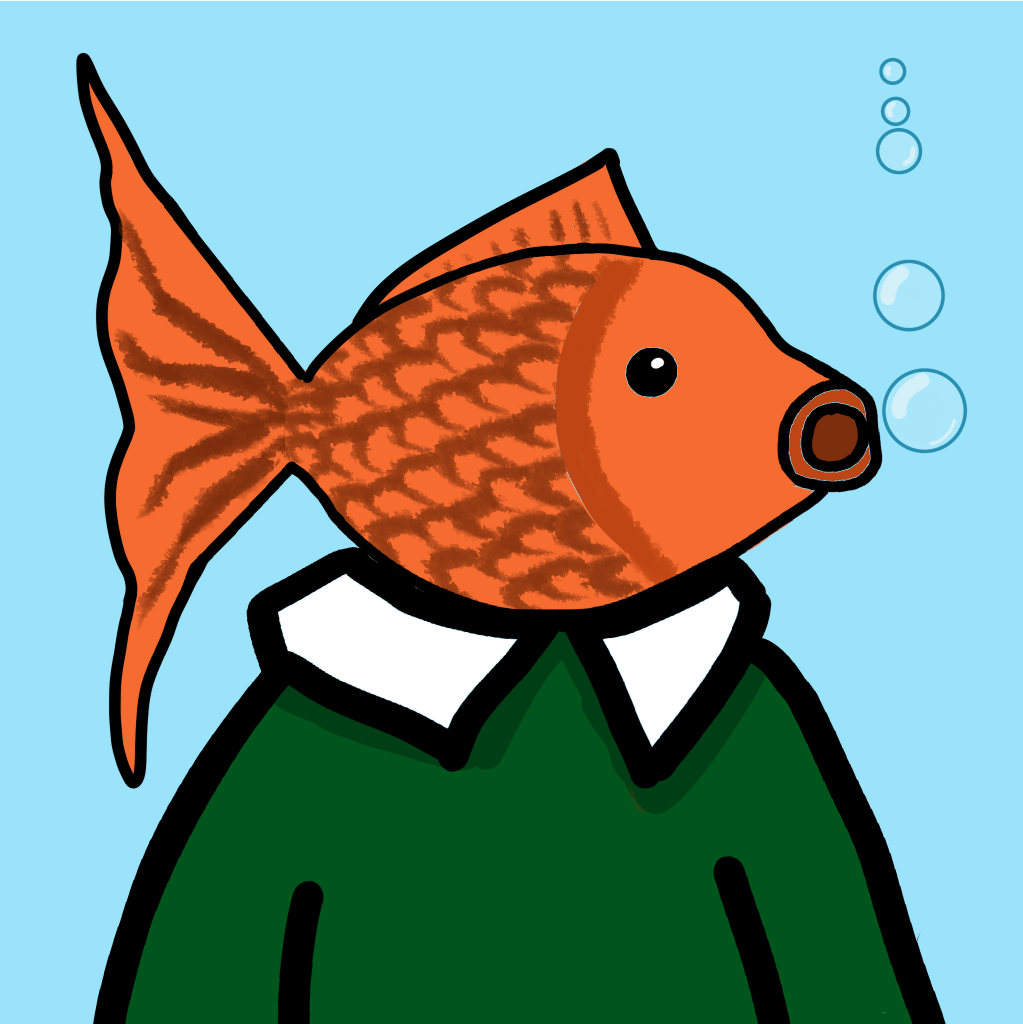
Be a goldfish. Choose to embrace the mentality of the household pet. I am referring to the fact that goldfish don’t have the most impressive recollection. As they are swimming through their watery surroundings, they forget, forget and forget. These little fish are never worried about the past or future; they remain present. Their minds stand free of all stress, anxiety and anger experienced throughout life. No weight carried on their back. No tears of exhaustion. The struggle to get up every morning doesn’t exist.
Be a goldfish. It’s definitely not simple. The complexity is unmatched as we attempt to rid ourselves of anxiousness. When a situation occurs that we are not proud or even embarrassed of, we tend to carry it as a burden. Every step we take the pressure increases, until we fully break down to pieces. Though our bones are fragile, they are not meant to break. Their strength represents our stability and balance.
Be a goldfish. Meaning we should learn from our mistakes, then let it go. Releasing our so-called flaws into the never-ending abyss leaves room for the endless possibilities coming our way. This leads to the next step, which would be fully immersing ourselves into our environment, just as goldfish do underwater. One way could simply be taking note of our senses. Every so often, it’s necessary for us to take a moment and smell the freshly cut grass, feel the ground beneath our feet, listen to our peers, and see everything all at once. Most importantly we must breathe, and fill our lungs with air.
Be a goldfish. Yes, letting go is difficult, but it allows for growth, change and reflection. We can’t take a step forward without leaving something behind. The goldfish is a valuable example of the courage it takes to stray away from what bothers us most. Our insecurities and errors should not be overlooked, but instead be utilized as an area of blossoming.
Be a goldfish. This mindset isn’t meant to stop history or erase the past. However, it does create space for the development of ideas, a fresh start, and a new chapter. Exactly as the goldfish, we must live life to the fullest with no regrets. Especially with finals around the corner, we can’t let our past grades or scores eat us alive. As high school students, we won’t allow the chaos of school to submerge us and not give us time to breathe. Because as humans, we don’t have gills.
Be a goldfish.
Celebrating Disabilities
Sophie Sukendro
Jumpscare! The Horrors of Stair Traffic
Lucy Hunter
In all honesty, I have an elevator pass. However, for this experiment, I trekked my way up and down the tower’s steps to determine one crucial thing: How bad is stair traffic?
I was warned of its horrors long before coming to OCSA. For three years, I witnessed every mishap imaginable: the various liquids spilled upon the stairwell landings, traffic jams caused by rolling backpacks, and screenagers who triggered a domino effect upon the descent for lunch. Finally, at the start of my senior year, I was granted my prized possession: The OCSA Elevator Pass, and it happened just in time. Due to an increase in construction over the summer, OCSA students began the 2025-2026 school year with a revelation: Stair traffic is bad. Really, really bad.
So I sought to get to the bottom of this issue. Were people being hyperbolic? Are people simply too lazy? Or is stair traffic really the reason why dozens of kids shuffle into classrooms after the bell rings?
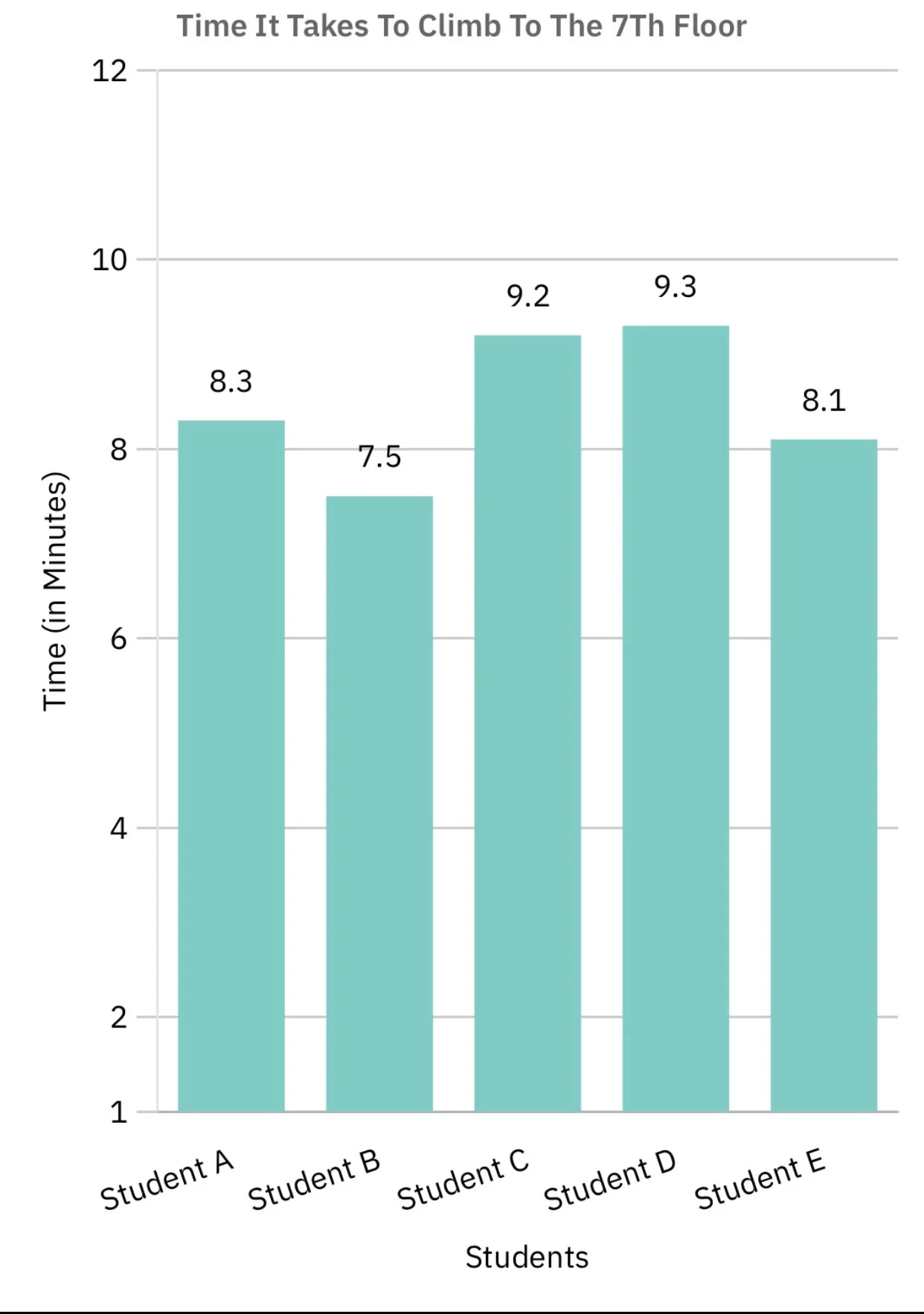
For this experiment, I conducted it over the course of two days: One Blue day, one Gold day. I timed how long it took me to reach the fourth and seventh floors from the breezeway, starting at 8:20 a.m., intending to make it to class before 8:30 a.m.. Here are my findings:
On the Blue day, it took me five minutes and thirty-eight seconds to reach the fourth floor from the breezeway, and nine minutes and fifty-three seconds to reach the seventh floor from the breezeway. The stair traffic that morning was decently heavy, but not the worst I have seen. Even then, if I had a class on the seventh floor, I would have barely made it. It’s important to note that I followed all stairwell rules. I did not cut anyone off, run, and I used the proper stairwell as recognized by the markings on the floor.
On the Gold day, it took me five minutes and thirty seconds to reach the fourth floor, and ten minutes and one second to reach the seventh floor. The stair traffic that morning was hectic, with several people violating stairwell rules.
So what does this tell us? Stairwell traffic is jammed, and the allotted time given to students to reach class in the mornings is just barely enough. However, this does not include potential domino effects, shoving, food or liquid accidents that block proper travel, or students who descend the stairwell when others are ascending, making it more difficult to travel upward.
So, were people being hyperbolic? Not really. For the students who begin their ascent right at 8:20 a.m., they still risk tardiness if their class is on a higher floor. However, most stairwells have consistent lines outside the tower that students must wait in before they can even enter the building, raising the risk of tardiness.
To all the students who arrive at school on time but have racked up tardies due to stair traffic, I understand you, and I see you.
Updates on the d4vd Case
Candela Aspiazu
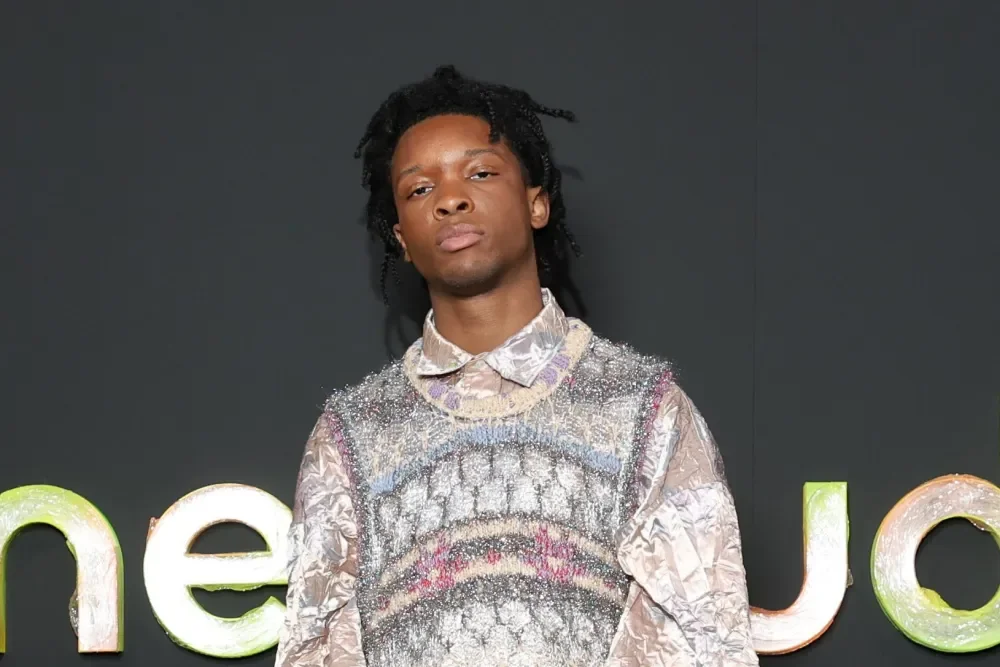
By now, there have been many reports and ongoing investigations surrounding popular 20-year-old singer David Anthony Burke, professionally known by his artist name d4vd. Many fans were shocked when a body was recently discovered in a vehicle registered under Burke’s name, and conflicting media accounts have since left the public questioning the truth behind this pop culture mystery.
On Sept. 8, 2025, employees at a tow yard located in Los Angeles reported a strong odor coming from a recently impounded black Tesla. When police officers went to investigate the scene, they opened the vehicle’s front compartment — discovering human remains that were later identified by the Los Angeles County Medical Examiner’s Office as 15-year-old Celeste Rivas Hernandez. According to investigators, the car had been ticketed and impounded several days before the discovery. Records show that a parking enforcement officer marked the car’s tires on Aug. 27. On Sept. 3, it received a citation for violating a 72-hour parking limit.
According to officials, Rivas’ body was believed to have been inside the car several weeks before it was discovered. The Los Angeles Police Department’s Robbery-Homicide Division claims the cause of death remains undetermined, with toxicology and forensic reports still pending. Detectives are currently analyzing phone records, surveillance footage and digital data to piece together the sequence of events leading to the cause of death. Police have issued search warrants at a residence associated with d4vd and seized several electronic devices, but no arrests or charges have been made as of writing.
D4vd has not made any public comments on the investigation. However, his manager, Josh Marshall, released a statement denying any involvement — saying the singer had “zero knowledge” of how the body came to be in the vehicle. Nevertheless, d4vd canceled the remainder of his 2025 U.S. tour and suspended public appearances. The discovery has fueled widespread public speculation, especially online, where fans and critics have debated a possible connection between the artist and the victim. Some social media users have noted shared tattoos and recurring themes in d4vd’s music, including his 2022 song “Romantic Homicide.” However, police have not confirmed any personal link between him and Rivas. Legal experts emphasize that ownership of the vehicle alone does not constitute criminal liability without concrete evidence directly incriminating the artist.
Ultimately, Celeste Rivas was laid to rest in California on October 6 as her family called for privacy and justice. As the investigation continues, authorities emphasize the importance of patience and caution against misinformation. “We are awaiting full forensic results before making any conclusions,” the Los Angeles Police Department announced. “This is an active and sensitive case.” For now, a considerable amount of uncertainty remains. As new information emerges and law enforcement provides updates, public perception may change.
NIH Funding Caps
Alyssa Kim
This year’s termination of biomedical research grants funded by the National Institutes of Health (NIH) has been unprecedented in the history of the agency. NIH has seen funding cuts under the Trump administration’s new budget holding the power to jeopardize future U.S. biomedical research and dismantle health innovation infrastructure that supports universities, hospitals and medical research institutions.
As of May 5, 777 NIH grants awarded to U.S. institutions have been terminated, representing $1.9 billion of lost funding. Rippling effects have been visible with increased pressure on labs, diminished morale and a less certain environment for early‐career scientists. About 45 percent of these grants were awarded to U.S. medical schools and hospitals, constituting $1 billion (54%) of all lost funding. Roughly 61% of all terminated grants dealt with research and development, with 29% focused on research training and career development.
The NIH addresses a wide range of issues in science and health while also playing a significant role in supporting federal and state programs that provide health coverage to low-income individuals, such as Medicaid. The proposed budget includes a $610 billion reduction over 10 years to the Medicaid program, which currently provides health insurance to 74 million low-income Americans. This cut would supplement the $880 billion reduction already proposed in the Republican health care plan, meaning by 2027, Medicaid’s budget could be reduced by nearly half. The cut is in the prospect of reducing federal spending and ramifications, limiting the growth of entitlement programs.
Universities across the U.S. have had to let go postdoctoral researchers, lab technicians and graduate assistants, who are often the first to be laid off or have their positions suspended. These layoffs don’t just affect employment; they dismantle years of collaboration, slow ongoing experiments and delay critical medical research. In some institutions, departments are merging or pausing recruitment entirely, further limiting opportunities for young scientists entering the field. Columbia University, for instance, has laid off nearly 180 researchers after the Trump administration revoked around $400 million in federal funding due to concerns of antisemitism on campus.
The Centers for Disease Control and Prevention (CDC) has also seen lack of support and funding in unprecedented amounts. Studies show that the CDC would lose 17% of its budget — a cut of $1.2 billion. This news took former CDC Director Dr. Tom Frieden to Twitter, prompting him to rebuke this “assault on science” that would “devastate” programs that protect Americans from many deadly conditions including diabetes, heart attacks and strokes. He noted that the cuts would give the CDC its lowest budget in 20 years and subsequently lead to an increase in illness and deaths.
If the administration continues to organize funding priorities based on ideology, the research ecosystem could shrink further — especially for work focused on marginalized communities or foundational science without immediate commercial payoff.
Rise in National Censorship
Kimura Carlsten & Charlie Patmon
Censorship has existed since the beginning of time. It’s been a tool that has helped regulate public records and news as well as protect the masses from misinformation. But it also carries a more sinister history. The phrase “damnatio memoriae” comes from Latin, meaning “condemning memory,” and dates as far back as Ancient Egypt — where any attempt to memorialize “unworthy” pharaohs was purposefully erased.
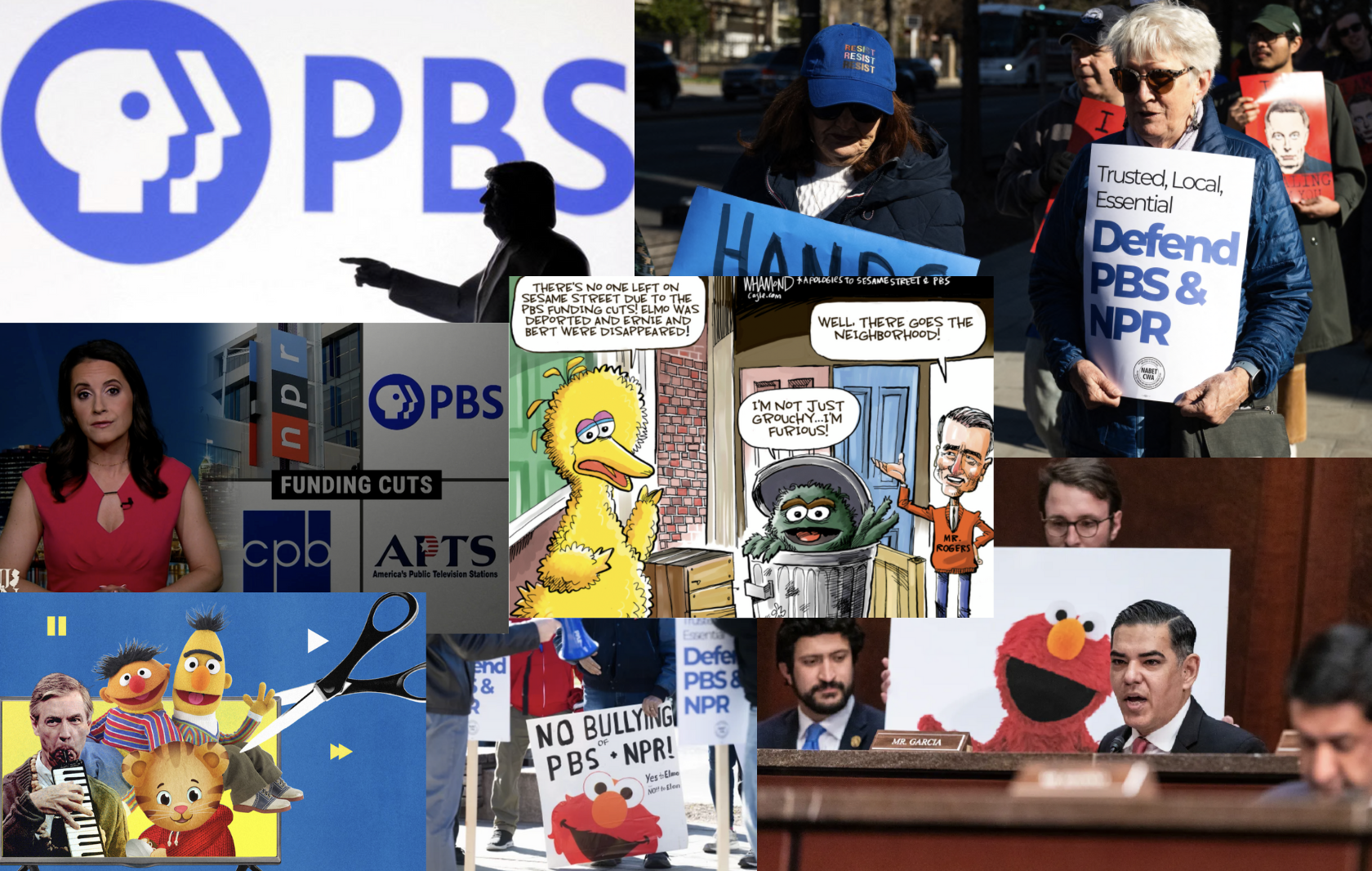
More recently, we’ve seen it used in photographs and texts by the Soviet Union, Nazi Germany and communist China. Now, during the Trump administration, Congress has made significant cuts to federal funding for public broadcasting. Is this an attempt to consolidate news sources or a modern approach to “damnatio memoriae”?
The Jimmy Kimmel show was pulled from air by ABC on Sept. 17 after Kimmel made controversial comments about Charlie Kirk’s alleged shooter. In the days following Kirk’s death, Kimmel commented that the Republican party was “desperately trying to characterize this kid who murdered Charlie Kirk as anything other than one of them, and doing everything they can to score political points from it.” Involved in the decision to cut the show were Robert A. Iger, Disney’s chief executive, and Dana Walden, ABC’s television chief. The decision was made due to criticism from Republican politicians like Brendan Carr, Chairman of the Federal
Communications Commission. Carr criticized Kimmel’s comments and later praised Comcast, ABC’s parent company, for pre-empting the show and “doing the right thing.” After pushback from the film industry, Democrats and even some Republicans, ABC announced the return of the show on Sept 22.
These cuts extend beyond television programming. President Trump’s proposed $9 billion reduction to foreign aid and public broadcasting — including about $1.1 billion affecting outlets like PBS — has forced many organizations to scale back their budgets, programming and staff.Recently, PBS’ Chief Executive Paula Kerger announced a 15 percent cut of its jobs. Many have protested these cuts as PBS has served as a reliable source of news and entertainment for the masses. In a memo, Kerger wrote: “Over the last weeks, we have been working through how best to manage the impact of loss of federal funding… Just like every single public media organization in the country, we are being forced to make hard choices.”
Recent conflicts between the Trump administration and large news outlets have heightened fears about press abridgment. Early this year, the White House restricted the Associated Press’ (AP) access to Oval Office briefings, to which AP accused the U.S. government of retaliating by limiting access. This began after President Trump issued an executive order to rename the Gulf of Mexico to the Gulf of America. When AP issued a statement, it said it would continue using the name Gulf of Mexico to hold to its global editorial standards. The White House then barred AP from attending presidential press conferences, causing AP to sue the administration on the basis that it was a violation of the First Amendment. While a federal court ruled in favor of AP, an appeals court granted the White House permission to continue limiting access to the Oval Office.
On a larger scale, these situations have caused people to wonder about the extent to which the Trump administration will go to censor and defund the media. This has raised concerns about whether journalists will still be able to report freely without fear of government retaliation, or be lost to history under “damnatio memoriae”.
Protecting Your Peace
Kate Chung
There’s a common misconception that peace is the absence of noise. But it's actually the opposite. Peace is the hum beneath your ribs, the rhythm that reminds you that even in chaos, there is something inside of you that is steady and cannot be shaken. A flow untouchable to anyone but you.
Still, even the strongest rhythms can be drowned out by too much noise. Not every presence will honor your calm, and not every relationship will leave space for it to breathe. Protecting your peace is simply turning down the volume of discord in order to hear the hum again.
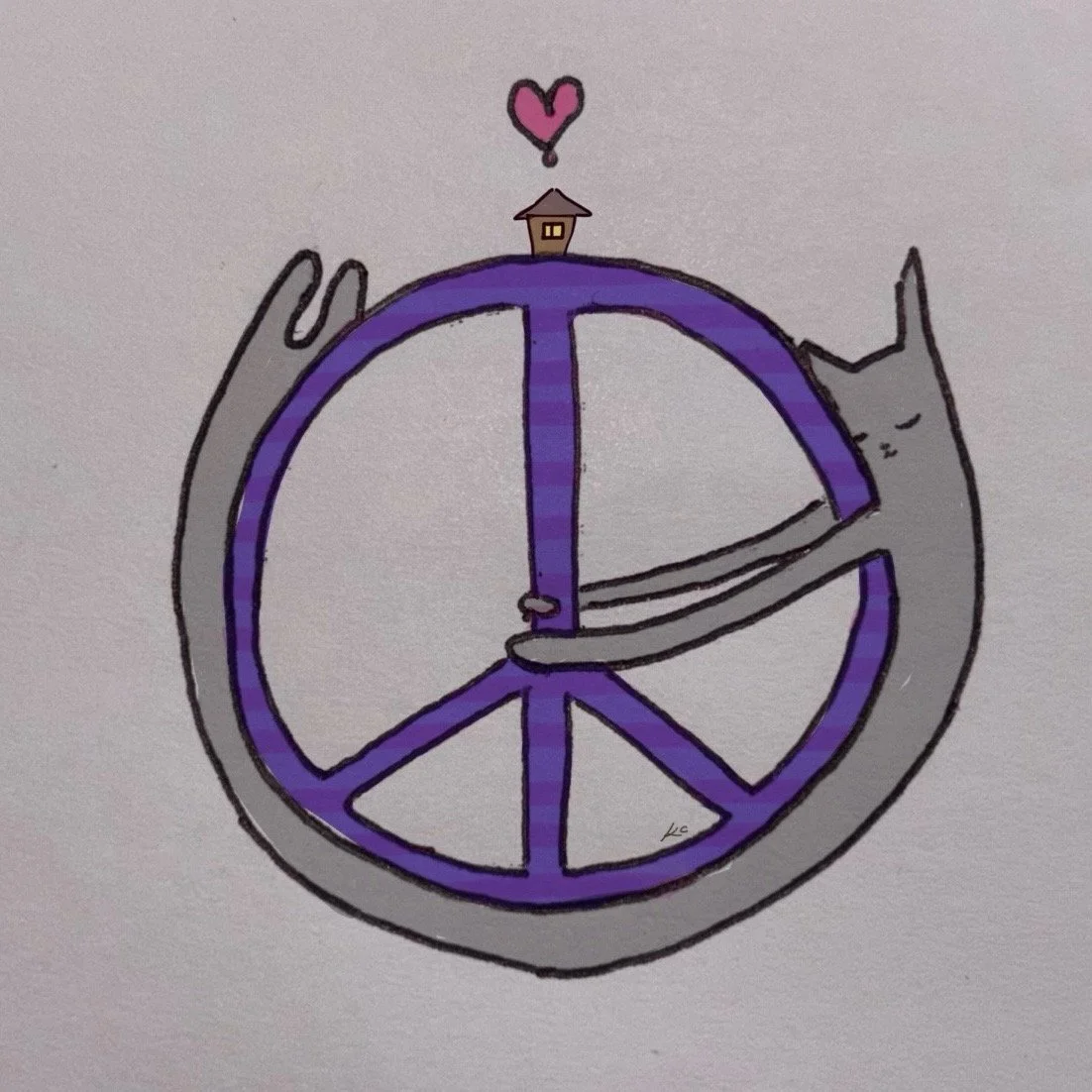
Imagine a house. Not a fortress, but a place where you rest, live, and can welcome others into. To protect your peace is to nurture your home. Yes, it may be strong, but under certain circumstances, any house can clutter, and any home can crumble. Certain visitors will break vases, and others will fill them with flowers. As the homeowner, it is your responsibility to decide who will be invited back. But to defend your home isn’t to cut away relationships the moment they become difficult. There is a stark difference between protecting your heart and hardening it. It’s about staying grounded in who you are, no matter how loud the world gets. Peace is not passive, it is a consistent choice, something you need to choose again, and again, even when it would be easier not to.
Although there will always be those who test your peace, not every challenge is a threat to your well being. Certain relationships and circumstances are meant to stretch you. Working through discomfort requires resilience and understanding, and these will strengthen your character and future connections. However, confusing resilience with enduring toxicity is an easy mistake to make. There is a fine line between a stretch worth enduring and a stretch intending to wear you down.
A close friend once said something that stuck with me: You don’t have to stay around people who make you feel unloved; and this is true. Defending your heart can look like many things, and surrounding yourself with a community who sincerely cares for you is one of them. Prioritizing valuable relationships is healthy, and letting go of damaging bonds is a part of that. You have the power to remove yourself from situations where you feel unvalued, not out of spite or defeat, but out of self-respect.
But backing out of connections is not always the right solution. Peace isn’t meant to be lonely, because life isn’t meant to be lived alone. Yes, isolation can feel soothing for some time, but it will slowly and painfully eat away at relationships of value. The goal isn’t to build a life where no one can reach you, it’s to build one where the right people can stay.
Peace takes work. At times, it takes messy conversations, tears, apologies and persistent effort. It takes caring enough about a person to be honest with them, and loving yourself enough to know when to rest. Your peace is important, and so are the people who add to it. Which begs the question: who are you letting into your home?
Horses: Yay or Neigh?
Scooter Beaudoin
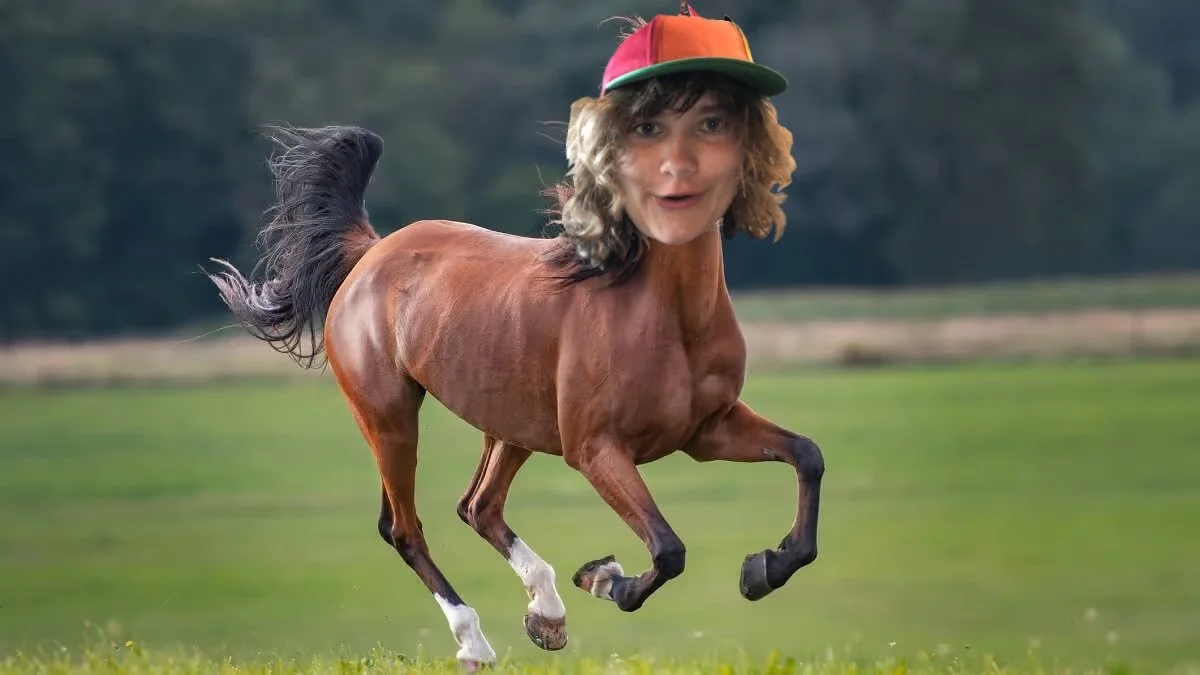
No, you did not read that title wrong. Equus caballus, also known by its common name, The Horse, is the best animal ever to exist. Now, you may be questioning my logic with this vastly wild claim. I can see my readers scratching their heads while making an expression that only represents a primal reaction of confusion to something like this. You may say to me, “But Scooter, I thought your favorite animals were centipedes!” And while they are my favorite animal, I’m allowed to relish in the beauty of the Horse, with their luscious locks billowing in the wind and the clattering of their hooves as they gallop in green fields filled with flowers and sunshine. No one can possibly hate horses, and if they do, then personally, that’s a HUGE red flag.
Horses have been carrying us Homo sapiens on their backs for as long as they’ve been around: from wagons, barrels and even toddlers with their grubby little hands at the fair. When have you ever heard of a case of a horse killing someone? Never. That’s because horses are calm and full of balance. There’s even a type of therapy that involves horses, which is just more proof that they’re so awesome. Thanks to horses working the laborious jobs too hard for us humans, we have been able to go places we never could’ve been able to travel to on foot. This proves the loyalty and the subtle nobility of their aptitude. To have the honor of riding a mighty horse into battle, its neighs mixing in with your battle cries would be a truly beautiful scene.
If you looked into the mirror and questioned who was the fairest in all the land, a horse would show up. Their muzzles at the perfect curve, their smooth manes falling down to their shoulders, the sound of their hooves clapping and their majestic neighs. Those neighs are the pinnacle of communication among all animals. And when you look into the eyes of a horse you can clearly tell what they’re thinking. Such a complex-looking animal, yet so simple.
In fact, horses are so legendary that plenty of media has been based around them. From the hit children’s television show that has a mostly adult fanbase, “My Little Pony,” to the beautifully animated movie, “Spirit.” Even Disney has their fair share of lovable equines to go around. Many of your favorite westerns’ have horses as well, as gun-slinging cowboys ride out into the distance with tumbleweeds and dry land galore.
Now let’s discuss the elephant in the room, or shall I say HORSE in the room. (Hahaha) there’s a stigma behind having a simple appreciation for these stallions. The stereotype,“horse girls,” are typically known as young girls obsessed with horses that make it their entire personality. There is nothing wrong with this; in fact, if there was a boy version of a horse girl, that would be me. We could call it, “Almighty Stallions” and the gender-neutral version would be called, “Galloping Ganderers.”
In conclusion, my genius is fueled by the equestrian beasts galloping freely in the mountains of my mind. Neigh.
Overcompensating: A Lesson in Good Writing
Dylan Spence
High school quarterback. Fraternity guy. Film bro. Scary, I know. These words encapsulate the early life of content creator Benito Skinner and are the focus of the TV show he created called “Overcompensating.”
“Overcompensating” is a teen drama that explores the ways in which we try to cover and make up for our own insecurities, especially as teenagers. Benny (played by Benito Skinner) grew up as the “perfect” teen boy living in the suburbs of SoCal. He was the star football player in his high school, popular among his peers and the favorite child. After graduating, he decided to follow in his Dad’s footsteps by enrolling as a business major in his sister Grace’s college.
He has everything he could ever want, but there’s just one small secret: he’s gay.
Overcompensating for this, he tries to play the role of the straight frat guy, but slowly learns to put down the fascade. Over time his lies begin to unravel until everything blows up.
One major theme in this show is friendship. When first coming to Yates College, Benny becomes friends with Carmen, a girl who used to be a “nobody.” The two of them bond over wanting to change who they used to be in high school, and they try new things together. Although their friendship continues to grow throughout the show, they also deal with mistrust that threatens their relationship.
This show is so refreshing to watch in comparison to modern television; from the delivery of lines to the great acting, it is somehow so hilarious and so heartbreaking. Although the cast isn’t made up of A-List actors, their portrayals of these characters are really good. Benito Skinner is especially phenomenal. Before watching this show I didn’t have high expectations because of his background as a content creator, but he actually created really touching, memorable scenes.
After finishing this show twice, I realized the reason why I loved it so much was mostly because of the writing. Not only because of how funny it was, but also because of how real it felt. I even looked up how old Benito was when he wrote this because it felt like it was written from the perspective of an actual high schooler (he was in his 30s). The satirical exaggeration of the students’ acting and the imperfect relationships between characters felt so genuine and truly represented the struggles and joys of living as a teen today.
Welcome Great Pumpkin!
Sydney Lee
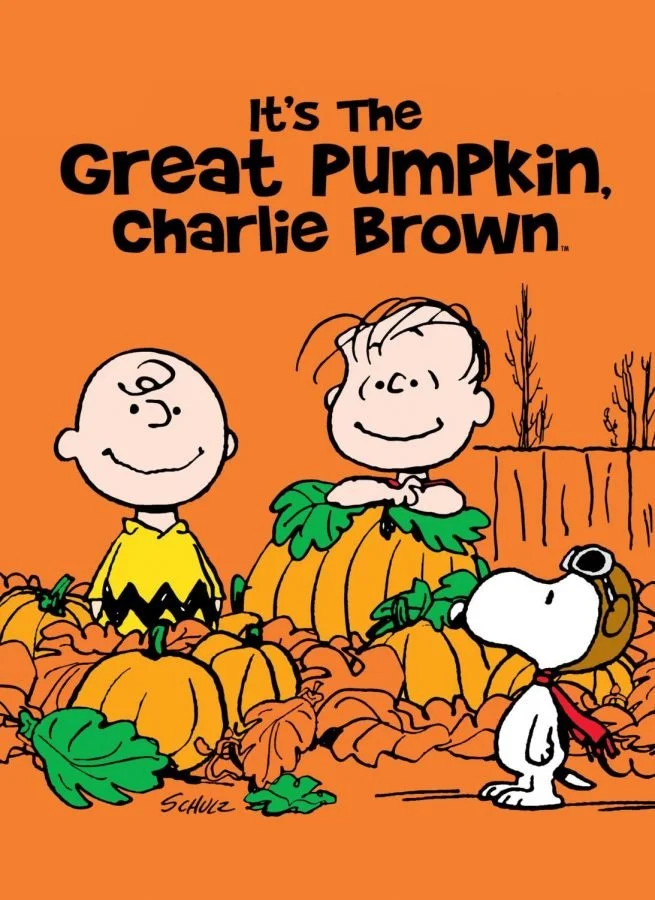
Since its 1966 premiere, “It’s the Great Pumpkin, Charlie Brown,” created by Charles M. Schulz as part of the Peanuts franchise, has remained a beloved Halloween and fall classic with its nostalgia, humor and wisdom. It has the classic yet simplistic Peanuts animation style and lighthearted charm. However, the story revolves around the deeper human experiences that we, as an audience, can relate to. The Peanuts gang goes through Halloween traditions, while teaching that hope and belief can be a source of pain, but also a sign of strength.
The story mostly surrounds Linus, who devotes his Halloween night to being in a pumpkin patch, waiting for the Great Pumpkin (an entity similar to Santa Claus), rather than doing the typical Halloween traditions that everyone else does. Even though his faith in the Great Pumpkin is mocked by his friends and his sister Lucy, he never stops believing. As the night passes and the Great Pumpkin does not show, Linus feels crushing disappointment. Yet, he continues to have faith, a representation of Schulz overall message: There is heartbreak and beauty in being steadfast in your beliefs. The film celebrates Linus’s ability to hope, even when mocked and in the face of failure.
Charlie Brown’s story is similar. He decides to dress up as a ghost, but he cuts too many holes in the sheet, which causes him some trouble. After receiving a bag full of rocks instead of candy while trick-or-treating because of his costume, Charlie Brown feels let down by life’s unfairness. When all of the friends share what they received, he sounds resigned (but really funny), “I got a rock.” The audience learns that failure and frustration are unavoidable parts of growing up. Being able to maintain humility and humor during those challenges is its own form of courage.
“It’s the Great Pumpkin, Charlie Brown” shares the importance of having hope, whilst enduring when the outcome isn’t what you imagined.things don’t go as planned. Decades later, the film continues to teach audiences of all ages that sincerity, resilience and optimism will always be important. If you are looking for a cozy, comfort film this fall, please watch “It’s the Great Pumpkin, Charlie Brown.”
Live Well With "Me Before You"
Victoria Baek
There’s something peculiar about September through December. Between the endless exams and lack of long weekends, autumn is a melting pot of emotions. Worst of all, it’s the time of year when I decide to watch a soul-crushing romance movie and this year’s choice was “Me Before You” (2016).
I’ll admit, I ugly-cried watching cheerful Louisa Clark and sarcastic Will Traynor, two opposites who transform each other. Clark, someone who had struggled in her large, working-class family, stepped into Traynor’s massive estate as a caregiver for Traynor, a charismatic entrepreneur who has been paralyzed after an accident.
However, underneath the romance lies a controversial debate. Traynor, who is unable to accept the drastic differences in his life following the accident, plans to end his life by the conclusion of the film. The movie, and subsequently the writer, framed his decision as rational, but it enraged the public who viewed it as a romanticization of suicide.
Many critics have called the film “ableist,” contending that it advocates for baseless stereotypes and diminishes those with disabilities, framing Traynor’s death as a net positive for Clark, who is left with his money. However, author Jojo Moyes stated that the novel was inspired by a real-life news story of a paralyzed athlete, who took his own life, inviting the audience to question complex themes of personal autonomy and love.
The movie comes to its conclusion when Clark decides to travel to Paris alone. In a note Traynor left before his passing, he writes, “You are scored on my heart… the first day you walked in with your sweet smile and your ridiculous clothes and your bad jokes and your complete inability to ever hide a single thing you felt. Just live well. I'll be walking beside you every step of the way.” The sentiment is sweet, though the meaning is nothing short of heartbreak.
While I understand the criticism that “Me Before You” can come across as ableist, through its rompy love story and picturesque background, I don’t believe it was the film’s intention to diminish those with disabilities. Instead, it shows the truth that fulfillment looks and feels different for everyone, and how responses to these differences vary. In my opinion, the film’s strength is its honesty about human limitations. “Me Before You” isn’t a guide for how to live or die—it is a reminder about what living well means for ourselves.
New Shooting Star: Who is Audrey Hobert?
Rosie Greenwood
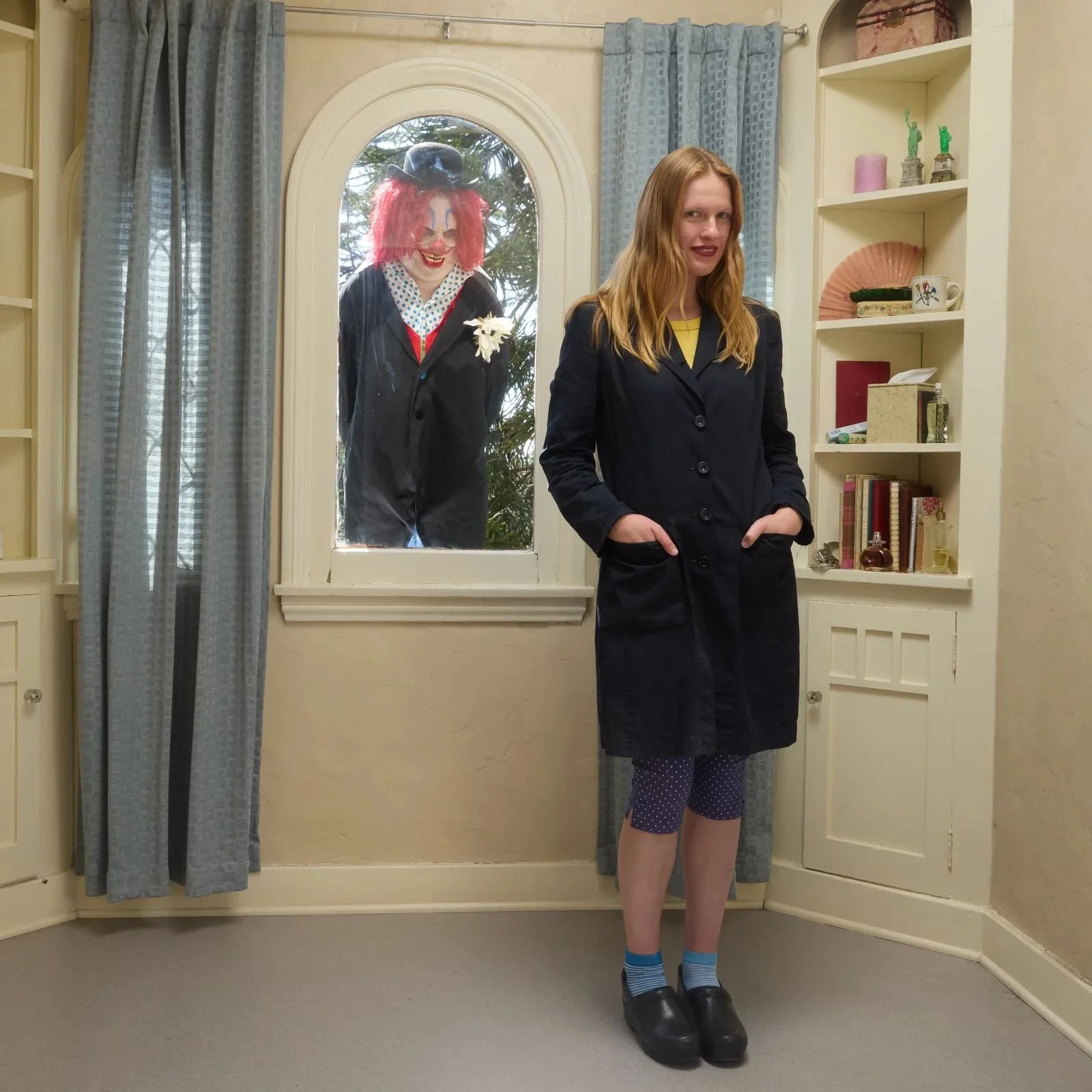
If you’ve been on TikTok in the past six months, chances are you’ve heard of Audrey Hobert. With her Billboard charting single “Sue me,” which has amassed over 33 million streams since its release in May, and “Bowling alley,” which cultivated the TikTok dance community over the summer, many people have been left with one grueling question: “Who even is this girl?”
Hobert’s rapid and recent rise to stardom has led many to dub her an “industry plant,” or worse: a nepo baby. It’s true, her father is a television producer and writer, which actually inspired her to attend NYU Tisch for screenwriting — but she found her true passion in songwriting. She’s been a collaborator with her childhood best friend, Gracie Abrams, having written on two of her biggest hits: “I Love You, I’m Sorry” and “That’s So True,” both incredibly popular, charting songs.
Abrams and Hobert have a similar (if not the same) demographic, however, Hobert may represent a new frontier for this generation of music. Her public persona and discography feel authentic and genuine — she’s awkward and funny and truly herself. Her debut album “Who’s The Clown?” contains songs about her personal insecurities and social awkwardness, such as “Phoebe” and “Thirst trap.” The album maintains a sense of self-awareness; she doesn’t take herself all that seriously and doesn’t need people to take her seriously, either. This security allows her to express the messy, often tumultuous human feelings and events that have occurred in her life.
This December, Hobert is starting on “The Staircase to Stardom Tour,” which spans across 29 shows in 10 different countries. All venues she will be playing have a capacity of under 1000, a stark comparison to her 1.9 million monthly listeners on Spotify. Tickets sold out in minutes, with resale prices going as upwards of $1000.
Whether you’re a fan or not, Audrey Hobert has already made an impact during her short time in the industry, and you can expect to see more of her in the future. There’s no doubt, to me at least, that Audrey Hobert will take her own steps, in the coming years, to ascend her own “Staircase to Stardom.”
Reading Emails with Jeri Stein
Jeri Stein
The End of Misinformation
Luka Stantic
Junioritis
Asmi Aggarwal
A person walks into a clinic complaining of fatigue, depression, exhaustion, lack of motivation, overwhelm, forgetfulness, procrastination, sleep problems, changes in appetite, irritability, difficulty concentrating, muscle tension and an increased heart rate. There are several conditions that could easily fit this description — all of which any doctor in their right mind would probably have to follow up on. But, to an average high school student, these symptoms point to something far more familiar: junior year.
A person walks into a clinic complaining of fatigue, depression, exhaustion, lack of motivation, overwhelm, forgetfulness, procrastination, sleep problems, changes in appetite, irritability, difficulty concentrating, muscle tension and an increased heart rate. There are several conditions that could easily fit this description — all of which any doctor in their right mind would probably have to follow up on. But, to an average high school student, these symptoms point to something far more familiar: junior year.
Junior year has a reputation of being a time where everyone’s lives start to change: sometimes for the better, but a lot of times, for the worse. I believe a part of why many people glorify having unhealthy lifestyle habits and sleep schedules is because they’re often interpreted as signs of hard work — that you care enough about your future to invest extra time and energy into your every endeavor.
For some, that constant state of exhaustion almost becomes a source of pride — proof that they’re pushing themselves to their limits in the name of ambition. But somewhere in that pursuit of excellence, we begin to blur the line between dedication and self-destruction. We start to measure our worth by how tired we are, how many hours we’ve studied or how much we’ve sacrificed.
No matter how many times our teachers or parents tell us that “comparison is the thief of joy,” the reality is that it will never stop following us. It becomes a constant background noise present in the grades we get, our conversations about college and quiet rivalries within our arts. Of course, productivity does equal progress and a healthy amount of competition definitely drives us to be better, but the truth is that a lot of times, we begin to lose ourselves somewhere in the process of trying to keep up.
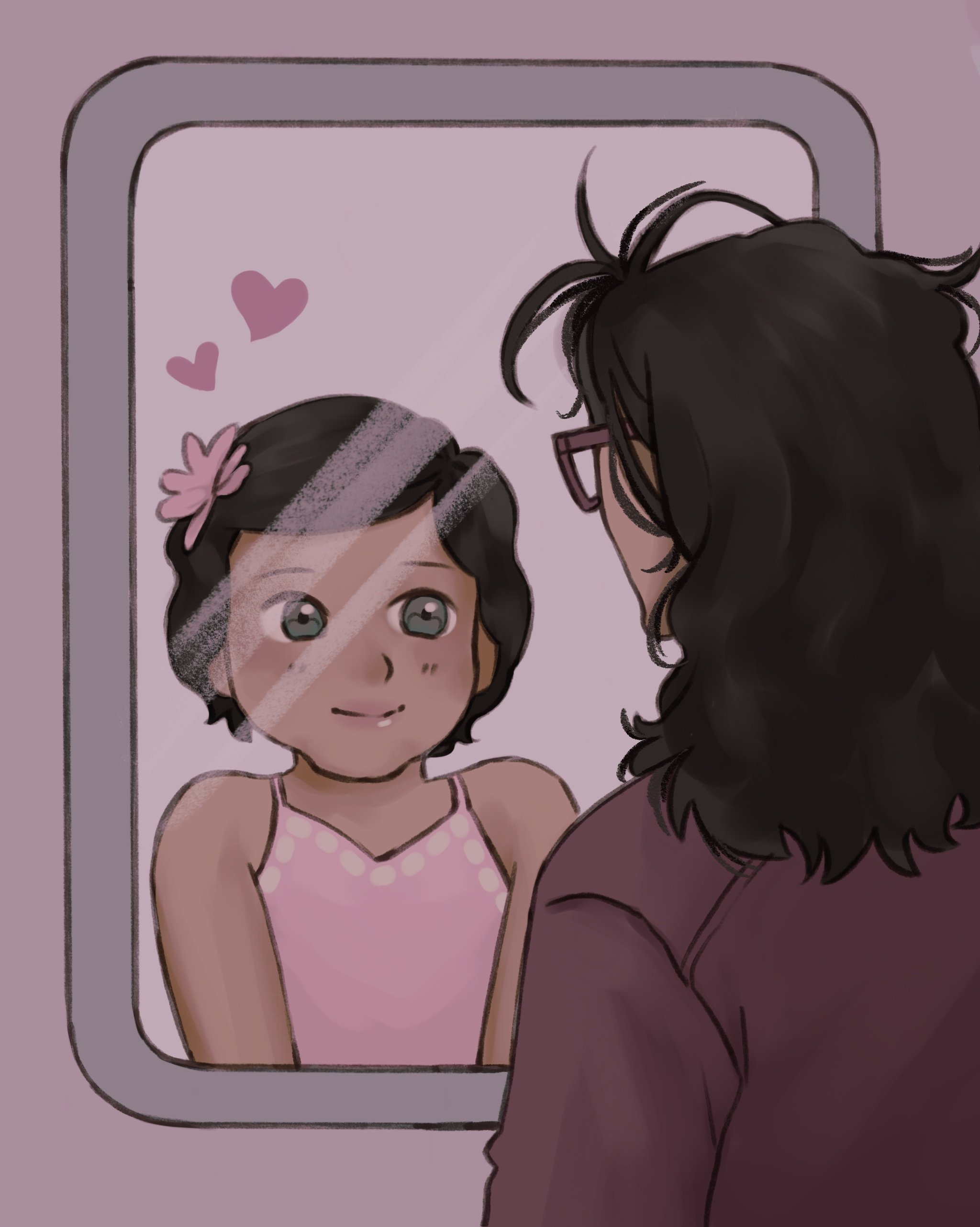
The next time you wake up and catch your reflection in the bathroom mirror, take a second to imagine what your younger self would think of you now. Think back to when you weren’t caught up in this whirlwind of pressure, when your life felt more about curiosity than fear. Remember the spark that drove you, the "why" behind your every passion, every choice and every dream. Growing up isn’t just about checking off deadlines or collecting achievements; success means nothing if you forget who you truly are in the process.
So to my fellow juniors, I promise you that colleges don’t want a version of you that’s just trying to fit a mold. They already have hundreds of thousands of applicants with 4.0 GPAs, 5s on every AP exam and perfect scores on standardized tests. If you keep doing what makes you happy, you won’t have to worry about the future. Your uniqueness will shine through and, one way or another, you’ll end up exactly where you’re meant to be. Junior year is a reminder that while our choices now do matter, they’re not the end of our stories. There’s still time to change, rest and rediscover what brings us joy.
In the end, the real cure for junioritis isn’t something that you’d be able to find at your local CVS. It’s not about painfully working through the pressure, but about giving yourself permission to slow down and remember that you are more than just what you accomplish.
I’m proud of you.